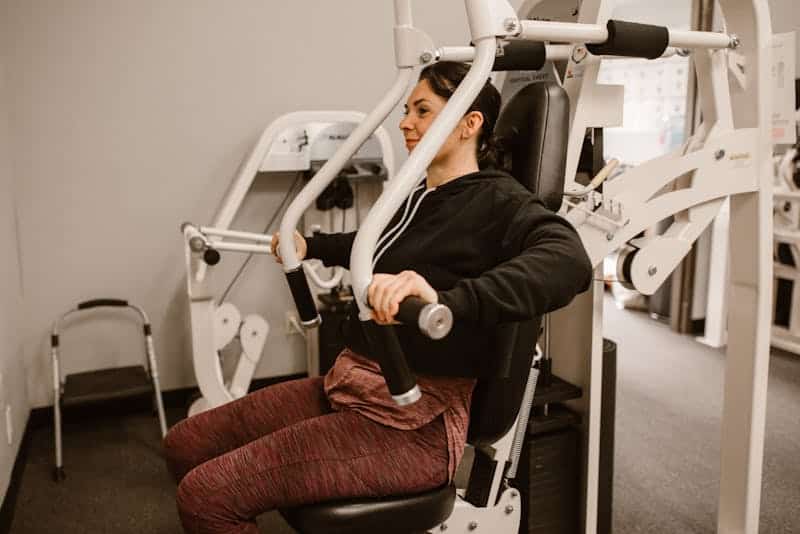

Why Exercise Matters When Using Semaglutide or Tirzepatide for Weight Loss

Think you can skip the gym because your prescription will do all the heavy lifting? Not if you want the fantastic results you’ve been longing for. People who take semaglutide or tirzepatide are usually excited to shed pounds fast, but some don’t realize how much exercise still matters in their weight loss journey. It’s true—GLP-1 medications are powerful in kickstarting the visible changes you’re dying to see. They can lead to impressive weight loss results. But the key to long-term success? That lies in incorporating exercise into your routine. That’s because it’s changes of habit that make the biggest difference in changing your life. Let’s examine why exercise is an essential partner to your weight loss drugs.

Compounded Weight Loss Medication Blog
Read Time 5 min read
Posted on Feb 4, 2025

What Are Semaglutide and Tirzepatide Doing for You?

Semaglutide and tirzepatide both work by mimicking a natural hormone (GLP-1) in your body. By acting like that specific hormone, these drugs can reduce hunger levels and improve metabolism.

People use semaglutide or tirzepatide weight loss programs with nurse support for various reasons, including weight loss, improved blood sugar control, and improved overall well-being. They’re not magic medications, though.

You still need to work to avoid phantom weight creeping back. Drugs like semaglutide and tirzepatide can guide you, but you still have to drive the car to your weight loss destination.

Why Is Exercise the Key to Long-Term Success?

So your GLP-1 medication does a lot, but exercise is the cherry on top to boost you to the next level of weight loss success. It’s common knowledge that even moderate exercise can boost your energy levels and improve your mood.

But, exercise in combination with your new medications also helps to prevent muscle loss. Standard weight loss can result in your body shedding fat and muscle—and that’s no good. Exercise helps preserve—and even build up—your lean muscle content, which is critical for developing a strong metabolism.

The internet is full of myths about taking medications like a generic Ozempic for weight loss that can deliver life-changing results without the users exercising at all. But these myths simply aren’t true. And while exercise won’t entirely replace the benefits of GLP-1 drugs, it accelerates and supports weight loss.

So, waiting for the pounds to drop without making any effort to move your body is like expecting your pizza delivery without paying for it.

What Types of Exercise Are Best With GLP-1 Medications?

The “fat burn” setting on the treadmill probably won’t give you your dream body by itself. Combining those aerobic (cardio) exercises with resistance (strength) training maximizes the power of the GLP-1 shipped to your home. You’ll want to pencil in a balance of both exercise types for your workout routine.

During your aerobic time, try walking, cycling, or swimming, exercises ideal for burning calories and boosting your cardiovascular health—happy heart, happy life.

When it comes to resistance exercises, use light weights or do bodyweight exercises. These are vital for muscle retention and help prevent the dreaded muscle-instead-of-fat loss.

But don’t be overwhelmed—you don’t have to become a powerlifter or run a marathon to build an exercise routine. Even walking briskly every day is fantastic.

Don’t know where to start? Here’s a simple exercise plan tailored for people like you who are using weight loss medications. With a routine fit for a champion, you’ll give your GLP-1 superheroes the wings they need to fly you to new heights.

  • Day 1: 15-minute jog; arm training (push-ups, tricep dips, etc.)

  • Day 2: 15-minute brisk walk; abdomen training (sit-ups, plank, etc.)

  • Day 3: 15-minute jog; leg training (squats, lunges, etc.)

  • Day 4: 15-minute brisk walk; core stability (bird-dogs, side planks, etc.)

  • Day 5: 15-minute jog; combination training (burpees, mountain climbers, etc.)

  • Days 6 and 7: Rest and recover (gentle yoga, light walking, etc.)

Make Exercise a Routine

Above all, consistency is the key to change—not perfection. Rome wasn’t built in a day, nor is your dream body. Slow and, most importantly, steady wins the race. Setting great goals can put you on your path to wellness.

Whether it’s lack of time, energy, or motivation, there’s plenty to make us think twice before exercising every day, so it’s essential to make exercise a priority and routine. If you need help committing, find a friend to be your workout buddy, join a group fitness class, or download a workout app for motivation.

You don’t need to spend an hour at the gym every day. Setting aside 30 minutes a few times a week is manageable for most people.

The Secret to Success

After you get your weight loss prescription online, get moving to complement the hard work that semaglutide or tirzepatide does for you. Consistent exercise can optimize their results and help you feel happier and healthier.

So take your prescriptions and pop on your sneakers because exercise and your GLP-1 medication are the dream team that can help you along your weight-loss journey. There’s no time like the present to start feeling better.

Infographic

Many people using semaglutide or tirzepatide are eager to lose weight quickly, but they may overlook the importance of exercise. Incorporating physical activity into your routine is crucial for long-term success. Explore this infographic to see why exercise is essential alongside weight loss medications.

You may also like these

Compounded Weight Loss Medication Blog
6 min read

How Prescription Meds Can Help With Shift Work Cravings and Weight Loss

It’s 2 a.m. Your shift isn’t over, but your energy is fading. Suddenly, that vending machine starts looking like a five-star restaurant. If you work nights or rotating shifts, it can feel like your body is playing on hard mode when it comes to weight. You can plan meals, try to stay active, and still find yourself reaching for fast carbs, sugary snacks, or larger portions than you intended. And when people chalk it up to a lack of discipline, it can feel like they’re missing the whole picture. Here’s the catch. Shift work changes effects more than just your circadian rhythm. When your sleep schedule moves away from natural daylight patterns, your hunger hormones often shift with it. Ghrelin, which drives hunger, can rise. Leptin, which helps you feel full, can fall. The result? Staying in control around food can feel like steering a car with a loose wheel. Online prescriptions for GLP-1 is a tool some shift employees explore as part of a broader weight management plan. Let’s break down why shift work quietly nudges weight gain over time and how simple habit tweaks and medical options can help manage the battle.



Posted on Jun 4, 2026
Read More
Compounded Weight Loss Medication Blog
6 min read

Why Weight Loss Slows After 40 and How Prescription Meds May Help

You’re doing all the right things, like exercising and making healthier food choices, but the scale just shrugs. If weight loss feels different after 40, you are not imagining it. What worked in your twenties or thirties may not be a silver bullet anymore. You may eat the same meals, keep a similar routine, and still watch the scale stay put. That shift can feel discouraging, especially if you are putting in real effort. After 40, your body starts playing by a slightly new rulebook. Your metabolism often slows. Hormones shift. Insulin resistance can become more noticeable. Stress sticks around, and years of dieting can leave you tired, frustrated, and less responsive to rigid plans. It’s less about willpower and more about biology catching up with you. Once you understand what is happening, you can make better decisions about whether a prescription weight loss med may support your weight goals right now.


Posted on Jun 2, 2026
Read More
Compounded Weight Loss Medication Blog
5 min read

How NAD+ Differs From Stimulant-Based Energy Products

When you’re tired, it’s tempting to reach for the fastest fix. Coffee, energy drinks, caffeinated shots, and other stimulant-heavy products promise quick energy. But feeling awake and actually having energy at the cellular level are two different things. That distinction is one reason some people begin exploring topics like NAD+ for fatigue as part of a broader approach to energy support. Nicotinamide adenine dinucleotide (NAD+) takes a different approach. Rather than stimulating alertness, it’s involved in the underlying processes your body uses to produce and manage energy at the cellular level, along with functions like metabolism and DNA repair. Stimulants and NAD+ aren’t competing for the same job. One is a shortcut, the other is upkeep. Knowing which one your body actually needs is a good starting point for making smarter choices about your health.


Posted on May 28, 2026
Read More