
Who May Be a Candidate for NAD+ Support Through Telehealth

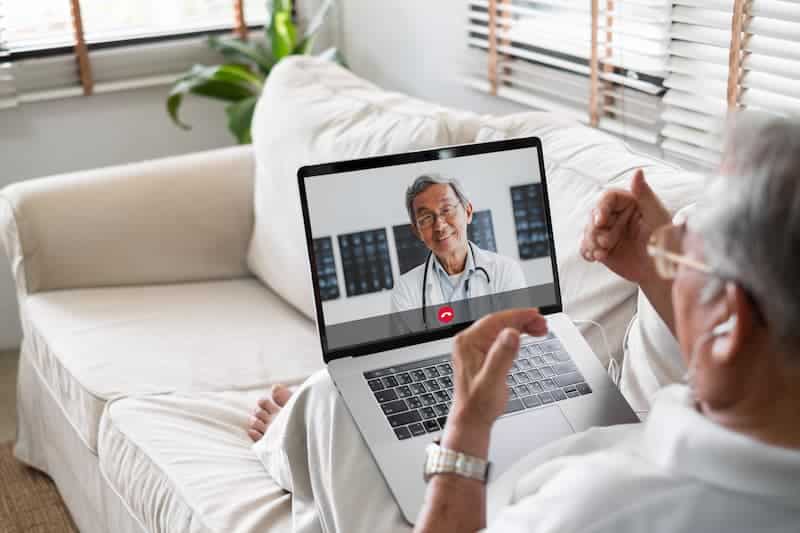
Are you exploring ways to support your NAD+ levels, including options like NAD+ shots? Telehealth may be a good place to start. It gives you privacy, convenience, and a chance to talk with a licensed provider without adding another in-person appointment to your week. Such support can make it easier for you to ask questions early and get a clearer sense of whether this type of support aligns with your health goals.

Compounded Weight Loss Medication Blog
Read Time 5 min read
Posted on May 27, 2026

Why People Seek NAD+ Support

People generally don’t start this conversation because they notice one dramatic symptom. Often, there’s a combination of issues, such as lower energy, slower recovery, more mental fatigue, or a sense that their body isn’t bouncing back the way it used to. Since NAD+ levels tend to decline with age and play a role in cellular energy production, it makes sense that people start asking whether support might fit into a broader wellness plan.

That said, fatigue and recovery issues can come from many sources. Sleep loss, chronic stress, blood sugar problems, poor diet, and other medical conditions can all affect how you feel. A good telehealth evaluation helps sort through the bigger picture rather than treating every low-energy concern the same.

Who May Be a Good Fit for Telehealth

You may be a good candidate for online NAD+ support via telehealth if you’re looking for a structured consultation before deciding on next steps and can clearly communicate your current health status.

A good starting point is thinking about what brought you here. If you’re interested in exploring NAD+ in the context of energy support, healthy aging, or recovery, telehealth gives you access to a licensed provider who can help you think through whether it makes sense for your situation. You don’t need to come in with all the answers but having a general sense of your health history and being able to speak to it clearly will make the conversation more productive.

Telehealth also tends to be a natural fit for people who value privacy or simply prefer to start with a remote conversation before committing to anything in person. If your symptoms are stable and don’t require immediate hands-on attention, there’s no reason the first step can’t happen from home. For many people, that initial provider conversation is exactly what they need to feel informed and confident about what comes next.

You may also be a strong candidate if you can give a clear picture of your current health. That may include providing details related to your:

  • Medications

  • Sleep habits

  • Stress load

  • Exercise routine

  • Alcohol use

  • Any diagnosed conditions that affect metabolism or recovery

The more complete your information is, the easier it is for a provider to judge whether telehealth is enough or whether you should get in-person care or lab work first.

Who May Need More Than a Telehealth Visit

Some situations call for more than an online conversation. If your symptoms are severe, have changed suddenly, or may indicate a larger medical issue, your provider may recommend lab work or an in-person evaluation before proceeding. That’s not a setback. It means the evaluation is doing its job and making sure nothing important gets missed.

Signs that you may need a more thorough examination before starting NAD+ support include:

  • Severe or sudden changes in fatigue or energy

  • Significant mood changes or unexplained weakness

  • Major sleep disruption that hasn’t responded to basic changes

  • Blood sugar concerns or metabolic symptoms

  • Any new or undiagnosed symptoms that haven’t been evaluated yet

Because many different conditions can affect energy and recovery, broader screening may make more sense as a first step. Getting that clarity upfront can lead to better outcomes than jumping straight into any one form of support.

Questions a Provider May Ask

While NAD+ does play a significant role in cellular energy metabolism, your day-to-day experience is shaped by many factors at once. A telehealth provider will need a full picture of your health to determine what’s driving your symptoms and whether NAD+ support makes sense for your situation.

Some questions you might expect include:

  • How many hours of sleep are you getting, and do you feel rested when you wake up?

  • How would you rate your stress levels on a typical day?

  • How often do you exercise, and how well are you recovering afterward?

  • How does your diet look in terms of regularity and nutrition?

  • Are you currently taking any medications or supplements?

  • Do you have any diagnosed conditions that affect your metabolism or overall health?

  • Why are you interested in NAD+ support, and what do you hope it will improve?

The more clearly you can answer these questions, the easier it is for your provider to build a plan that actually fits your health and your goals.

What to Expect After an NAD+ Telehealth Appointment

A good telehealth provider won’t just hand you a recommendation and send you on your way. Here’s what your follow-up path could look like, depending on what your provider finds.

For some people, that may involve a provider-guided NAD+ support plan that takes into account individual health factors and goals. In other cases, the focus may shift toward supportive habits like sleep, stress management, or nutrition that can work alongside any NAD+ support being considered.

If something in your history or symptoms suggests it’s needed, your provider may also recommend an in-person evaluation or lab work to get a clearer picture before moving forward. And once a plan is in place, follow-up conversations are often used to check in, see how things are going, and make adjustments if needed.

In many ways, that ongoing communication is just as important as the first appointment. Staying engaged with the process gives your provider the information they need to refine recommendations over time, rather than treating the initial visit as a final step.

When Telehealth Makes Sense for NAD+ Support

You may be a candidate for NAD+ telehealth support if you want a provider-guided conversation about energy, recovery, or healthy aging, and your health history is clear enough to review remotely. Telehealth works best when you are honest, specific, and open to the possibility that your next step may involve broader health guidance rather than a single solution.

That is a good thing. It means the process stays focused on your actual health instead of vague wellness promises. If you are exploring NAD+ support, telehealth can be a clean and practical way to start that conversation.

You may also like these

Compounded Weight Loss Medication Blog
6 min read

How Prescription Meds Can Help With Shift Work Cravings and Weight Loss

It’s 2 a.m. Your shift isn’t over, but your energy is fading. Suddenly, that vending machine starts looking like a five-star restaurant. If you work nights or rotating shifts, it can feel like your body is playing on hard mode when it comes to weight. You can plan meals, try to stay active, and still find yourself reaching for fast carbs, sugary snacks, or larger portions than you intended. And when people chalk it up to a lack of discipline, it can feel like they’re missing the whole picture. Here’s the catch. Shift work changes effects more than just your circadian rhythm. When your sleep schedule moves away from natural daylight patterns, your hunger hormones often shift with it. Ghrelin, which drives hunger, can rise. Leptin, which helps you feel full, can fall. The result? Staying in control around food can feel like steering a car with a loose wheel. Online prescriptions for GLP-1 is a tool some shift employees explore as part of a broader weight management plan. Let’s break down why shift work quietly nudges weight gain over time and how simple habit tweaks and medical options can help manage the battle.



Posted on Jun 4, 2026
Read More
Compounded Weight Loss Medication Blog
6 min read

Why Weight Loss Slows After 40 and How Prescription Meds May Help

You’re doing all the right things, like exercising and making healthier food choices, but the scale just shrugs. If weight loss feels different after 40, you are not imagining it. What worked in your twenties or thirties may not be a silver bullet anymore. You may eat the same meals, keep a similar routine, and still watch the scale stay put. That shift can feel discouraging, especially if you are putting in real effort. After 40, your body starts playing by a slightly new rulebook. Your metabolism often slows. Hormones shift. Insulin resistance can become more noticeable. Stress sticks around, and years of dieting can leave you tired, frustrated, and less responsive to rigid plans. It’s less about willpower and more about biology catching up with you. Once you understand what is happening, you can make better decisions about whether a prescription weight loss med may support your weight goals right now.


Posted on Jun 2, 2026
Read More
Compounded Weight Loss Medication Blog
5 min read

How NAD+ Differs From Stimulant-Based Energy Products

When you’re tired, it’s tempting to reach for the fastest fix. Coffee, energy drinks, caffeinated shots, and other stimulant-heavy products promise quick energy. But feeling awake and actually having energy at the cellular level are two different things. That distinction is one reason some people begin exploring topics like NAD+ for fatigue as part of a broader approach to energy support. Nicotinamide adenine dinucleotide (NAD+) takes a different approach. Rather than stimulating alertness, it’s involved in the underlying processes your body uses to produce and manage energy at the cellular level, along with functions like metabolism and DNA repair. Stimulants and NAD+ aren’t competing for the same job. One is a shortcut, the other is upkeep. Knowing which one your body actually needs is a good starting point for making smarter choices about your health.


Posted on May 28, 2026
Read More