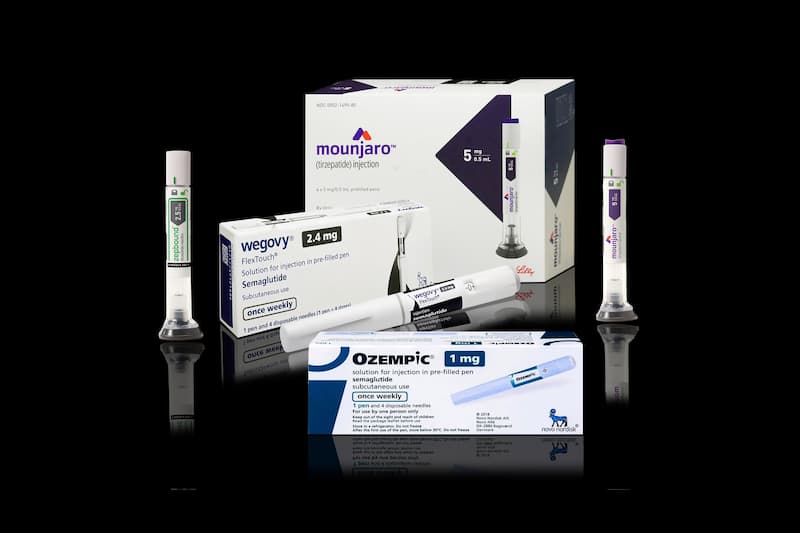

What’s the Difference Between Wegovy, Ozempic, and Mounjaro?

If you’ve dipped a toe into the world of GLP-1 medications for weight loss or blood sugar control, you’ve probably seen names like Wegovy, Ozempic, and Mounjaro popping up like celebrities on a red carpet. These drugs have gained attention for their effectiveness, but understanding how they differ can help you make a more informed decision. In this article, you’ll learn exactly what makes them different so you can order your Wegovy, Mounjaro, or Ozempic home delivery. With a little help, you can pick the medication that best aligns with your goals, lifestyle, and medical needs without getting lost in a sea of science jargon.

Compounded Weight Loss Medication Blog
Read Time 6 min read
Posted on Oct 16, 2025

Understanding GLP-1 Medications

GLP-1 stands for glucagon-like peptide-1. It’s a mouthful, but it’s a natural hormone in your body that moonlights as an appetite and blood sugar regulator. GLP-1 medications mimic this hormone, leading to reduced hunger, delayed stomach emptying, and improved insulin release. For you, that can translate into fewer cravings, better portion control, and significant weight loss or diabetes management, depending on your reason for taking it.

These medications come in different forms and doses, and while they all act on GLP-1 receptors, they’re not identical. Some are FDA-approved specifically for weight loss, while others were initially approved for type 2 diabetes but have since been prescribed off-label for weight management. Let’s dive into what makes each one unique.

Wegovy

Wegovy (semaglutide 2.4 mg) is the only medication among the three that’s FDA-approved specifically for chronic weight management in adults who are obese or overweight with at least one weight-related health condition like high blood pressure, type 2 diabetes, or high cholesterol.

What sets Wegovy apart is its higher dosage of semaglutide compared to Ozempic. You take it once weekly via a subcutaneous injection, giving you a powerful weekly appetite controller without daily hassle. If you’ve struggled with diet and exercise alone, Wegovy could help you gain more control over your appetite and caloric intake.

You’ll usually start at a low dose and gradually increase over several weeks to minimize side effects such as nausea or constipation. Clinical studies have shown that people taking Wegovy lost an average of 15% of their body weight. That’s no small potatoes for anyone wanting a non-surgical weight loss option.

Because Wegovy is indicated for weight management, insurance may cover it if you meet specific medical criteria. But fair warning: supply shortages in the past have made it hard to access, which could affect your ability to start or stay on it consistently.

Ozempic

Ozempic (semaglutide 0.5–2.0 mg) is like Wegovy’s little sibling. It’s a lower-dose version with the same active ingredient. Originally developed to help manage blood sugar in people with type 2 diabetes, it has gained popularity as an off-label weight loss medication due to its appetite-taming effects.

If you’re juggling both blood sugar and weight concerns, Ozempic may offer a Goldilocks solution. Its once-weekly injection schedule is the same as Wegovy, but the weight loss outcomes tend to be slightly lower due to the reduced dosage, typically around 10% of body weight.

One advantage of Ozempic is its head start. It’s been on the market longer, so you might find it more widely available at pharmacies. It’s also more commonly covered by insurance for diabetes-related treatment, but off-label use for weight loss might mean higher out-of-pocket costs unless you tick the right medical boxes.

If you’re looking for Wegovy alternatives for weight loss, Ozempic may be the next best option, especially with a doctor’s guidance steering the ship.

Mounjaro

Mounjaro (tirzepatide) is the newcomer to the GLP-1 lineup, but it brings something different to the table. It’s a dual agonist, meaning it works on both GLP-1 and GIP (glucose-dependent insulinotropic polypeptide) receptors. This combination appears to offer even greater metabolic benefits.

Mounjaro is currently FDA-approved for type 2 diabetes, but it’s quickly earning a reputation off-label for weight loss. Clinical trials show people shedding up to 20% of their body weight. If that sounds comparable to the outcomes of bariatric surgery, that’s because it is.

You can get Mounjaro for weight loss and take it as a weekly injection, starting at a low dose and gradually titrating up. It’s known for strong appetite suppression and metabolic improvements, but also for more intense side effects during the first few weeks, including nausea and fatigue. Luckily, those usually mellow out as your body settles in.

Because it’s the new kid on the block, Mounjaro may be pricier and harder to track down. But if you’re significantly overweight or obese and haven’t had luck with other GLP-1s, this could be a game-changer, especially with a provider who understands how to manage the dosing properly.

How to Choose the Right Medication for You

Making the right decision comes down to your goals, health history, and how your body responds to treatment. Here are a few things you might consider:

  • Weight Loss Priority: If losing a significant amount of weight is your primary focus and you don’t have diabetes, Wegovy or Mounjaro might be the most effective.

  • Diabetes Management: If you need to control your blood sugar and lose some weight, Ozempic could offer the best of both worlds.

  • Tolerance to Side Effects: If you’re sensitive to nausea or fatigue, consider starting with a lower dose option like Ozempic before moving to higher-dose alternatives.

  • Insurance and Accessibility: Check your coverage and discuss affordability with your provider. Sometimes, availability and cost determine which medication you can stick with long-term.

Monitoring Progress and Staying Consistent

Regardless of which medication you choose, the golden rule is consistency. These are not magic shots but rather powerful helpers that work best when paired with healthy habits like portion control, balanced meals, and movement.

You may notice weight loss slows over time, but that’s normal. Stay in touch with your healthcare provider to monitor your progress, adjust dosing, and ensure you tolerate the medication without too many hiccups.

Store and transport these medications properly. Most need refrigeration before first use and cannot be exposed to extreme temperatures during shipping or storage. If you’re ordering online, check that your provider uses temperature indicators to confirm safe delivery. Nobody wants a spoiled star player before game time.

The Bottom Line

When comparing Wegovy, Ozempic, and Mounjaro, the best pick is the one that fits your health profile, goals, and lifestyle. Each of these GLP-1 medications has unique strengths whether it’s Wegovy’s higher-dose weight loss focus, Ozempic’s trusty balance, or Mounjaro’s cutting-edge results.

Remember, you don’t have to go it alone. Partner with a healthcare provider who specializes in metabolic health or weight management. They can help you navigate the insurance maze, optimize your dose, and keep an eye on any side effects so you can focus on making progress without the bumps in the road.

https://www.nejm.org/doi/full/10.1056/NEJMoa2032183

https://www.sciencedirect.com/science/article/abs/pii/S0168822724000779

https://www.nejm.org/doi/full/10.1056/NEJMoa2416394

You may also like these

Compounded Weight Loss Medication Blog
6 min read

How Prescription Meds Can Help With Shift Work Cravings and Weight Loss

It’s 2 a.m. Your shift isn’t over, but your energy is fading. Suddenly, that vending machine starts looking like a five-star restaurant. If you work nights or rotating shifts, it can feel like your body is playing on hard mode when it comes to weight. You can plan meals, try to stay active, and still find yourself reaching for fast carbs, sugary snacks, or larger portions than you intended. And when people chalk it up to a lack of discipline, it can feel like they’re missing the whole picture. Here’s the catch. Shift work changes effects more than just your circadian rhythm. When your sleep schedule moves away from natural daylight patterns, your hunger hormones often shift with it. Ghrelin, which drives hunger, can rise. Leptin, which helps you feel full, can fall. The result? Staying in control around food can feel like steering a car with a loose wheel. Online prescriptions for GLP-1 is a tool some shift employees explore as part of a broader weight management plan. Let’s break down why shift work quietly nudges weight gain over time and how simple habit tweaks and medical options can help manage the battle.



Posted on Jun 4, 2026
Read More
Compounded Weight Loss Medication Blog
6 min read

Why Weight Loss Slows After 40 and How Prescription Meds May Help

You’re doing all the right things, like exercising and making healthier food choices, but the scale just shrugs. If weight loss feels different after 40, you are not imagining it. What worked in your twenties or thirties may not be a silver bullet anymore. You may eat the same meals, keep a similar routine, and still watch the scale stay put. That shift can feel discouraging, especially if you are putting in real effort. After 40, your body starts playing by a slightly new rulebook. Your metabolism often slows. Hormones shift. Insulin resistance can become more noticeable. Stress sticks around, and years of dieting can leave you tired, frustrated, and less responsive to rigid plans. It’s less about willpower and more about biology catching up with you. Once you understand what is happening, you can make better decisions about whether a prescription weight loss med may support your weight goals right now.


Posted on Jun 2, 2026
Read More
Compounded Weight Loss Medication Blog
5 min read

How NAD+ Differs From Stimulant-Based Energy Products

When you’re tired, it’s tempting to reach for the fastest fix. Coffee, energy drinks, caffeinated shots, and other stimulant-heavy products promise quick energy. But feeling awake and actually having energy at the cellular level are two different things. That distinction is one reason some people begin exploring topics like NAD+ for fatigue as part of a broader approach to energy support. Nicotinamide adenine dinucleotide (NAD+) takes a different approach. Rather than stimulating alertness, it’s involved in the underlying processes your body uses to produce and manage energy at the cellular level, along with functions like metabolism and DNA repair. Stimulants and NAD+ aren’t competing for the same job. One is a shortcut, the other is upkeep. Knowing which one your body actually needs is a good starting point for making smarter choices about your health.


Posted on May 28, 2026
Read More