
5 Strategies To Avoid Rebound Weight Gain

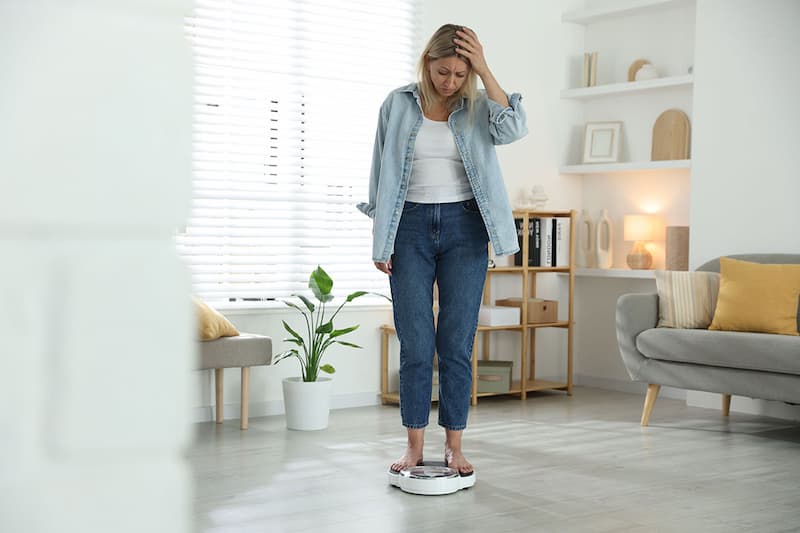
Let me tell you, reaching my goal weight felt amazing. I was on top of the world, ready to strut my stuff in clothes I hadn’t worn in years. But then… the struggle to maintain began. It felt like my body was secretly plotting against me, trying to sneak those pounds back on when I wasn’t looking. Sound familiar? Well, fear not! After some trial and error (okay, a lot of error), I’ve found some strategies that really work. So grab a cup of green tea (or coffee, I won’t judge), and let’s dive into how we can keep that weight off for good!

Compounded Weight Loss Medication Blog
Read Time 4 min read
Posted on Sep 13, 2024

1. Ditch the Quick Fixes: Slow and Steady Wins the Race

I’ve tried my fair share of crazy diets and quick fixes. Each one had extremely predictable results and never really worked. Quick fixes might seem tempting, but trust me, they’re not your friends in the long run.

Instead, I’ve learned to embrace the slow and steady approach. It’s all about making small, sustainable changes that you can actually stick with. For me, that meant gradually adding more veggies to my meals (turns out, I actually like broccoli now!), choosing lean proteins, and cutting back on processed foods. These little tweaks add up, and before you know it, you’ve created a lifestyle that keeps the weight off without feeling like you’re constantly depriving yourself.

2. Keep Your Eyes on the Prize: Monitor, Don’t Obsess

After hitting my goal weight, I thought I could toss my food journal and scale out the window. Big mistake. Huge. I quickly learned that maintaining weight requires just as much awareness as losing it.

Now, I’m not saying you need to obsessively count every calorie or weigh yourself daily. But keeping a general eye on things can prevent those sneaky pounds from creeping back on. I still jot down my meals most days and hop on the scale once a week. It helps me stay accountable without driving myself crazy.

3. Pump It Up: Strength Training is Your Secret Weapon

Cardio and I used to be best friends. I’d run for hours, thinking it was the key to keeping the weight off. But let me tell you about my new BFF: strength training.

Adding weights to my routine was a game-changer. Not only do I feel stronger (hello, opening stubborn jars!), but I’ve noticed it’s easier to maintain my weight. Turns out, muscle burns more calories than fat, even when you’re just sitting around binge-watching your favorite show. Now, I hit the weights 2-3 times a week, focusing on compound moves like squats and deadlifts. Trust me, your future self will thank you!

4. Mind Over Munchies: Tackling Emotional Eating

Oh, emotional eating, my old frenemy. We’ve had quite the tumultuous relationship over the years. Stress, boredom, celebration – it all used to lead me straight to the snack drawer.

Learning to recognize my emotional eating triggers was crucial in maintaining my weight loss. Now, when I feel the urge to eat and I know I’m not really hungry, I pause and ask myself what I’m really feeling. Sometimes a walk, a chat with a friend, or even a good cry is what I actually need – not that pint of ice cream calling my name from the freezer.

5. Move It or Lose It: Staying Active Every Day

Here’s a truth bomb: regular exercise is great, but it’s not enough if you’re sedentary the rest of the time. I learned this the hard way when my desk job started undoing all my hard work at the gym.

These days, I make an effort to move throughout the day. I take the stairs instead of the elevator, have walking meetings when I can, and even do a few squats while waiting for my coffee to brew. Every little bit of movement adds up, and it’s made a huge difference in maintaining my weight.

Final Thoughts: Remember, It’s a Journey, Not a Destination

If there’s one thing I’ve learned on this wild ride, it’s that maintaining weight loss is a marathon, not a sprint. It’s about creating a lifestyle that you enjoy and can stick with long-term. Some days will be easier than others, and that’s okay.

Remember, it’s not about perfection – it’s about progress. Celebrate your victories, learn from your setbacks, and most importantly, be kind to yourself along the way. We’re all in this together, and you’ve got this!

You may also like these

Compounded Weight Loss Medication Blog
6 min read

How Prescription Meds Can Help With Shift Work Cravings and Weight Loss

It’s 2 a.m. Your shift isn’t over, but your energy is fading. Suddenly, that vending machine starts looking like a five-star restaurant. If you work nights or rotating shifts, it can feel like your body is playing on hard mode when it comes to weight. You can plan meals, try to stay active, and still find yourself reaching for fast carbs, sugary snacks, or larger portions than you intended. And when people chalk it up to a lack of discipline, it can feel like they’re missing the whole picture. Here’s the catch. Shift work changes effects more than just your circadian rhythm. When your sleep schedule moves away from natural daylight patterns, your hunger hormones often shift with it. Ghrelin, which drives hunger, can rise. Leptin, which helps you feel full, can fall. The result? Staying in control around food can feel like steering a car with a loose wheel. Online prescriptions for GLP-1 is a tool some shift employees explore as part of a broader weight management plan. Let’s break down why shift work quietly nudges weight gain over time and how simple habit tweaks and medical options can help manage the battle.



Posted on Jun 4, 2026
Read More
Compounded Weight Loss Medication Blog
6 min read

Why Weight Loss Slows After 40 and How Prescription Meds May Help

You’re doing all the right things, like exercising and making healthier food choices, but the scale just shrugs. If weight loss feels different after 40, you are not imagining it. What worked in your twenties or thirties may not be a silver bullet anymore. You may eat the same meals, keep a similar routine, and still watch the scale stay put. That shift can feel discouraging, especially if you are putting in real effort. After 40, your body starts playing by a slightly new rulebook. Your metabolism often slows. Hormones shift. Insulin resistance can become more noticeable. Stress sticks around, and years of dieting can leave you tired, frustrated, and less responsive to rigid plans. It’s less about willpower and more about biology catching up with you. Once you understand what is happening, you can make better decisions about whether a prescription weight loss med may support your weight goals right now.


Posted on Jun 2, 2026
Read More
Compounded Weight Loss Medication Blog
5 min read

How NAD+ Differs From Stimulant-Based Energy Products

When you’re tired, it’s tempting to reach for the fastest fix. Coffee, energy drinks, caffeinated shots, and other stimulant-heavy products promise quick energy. But feeling awake and actually having energy at the cellular level are two different things. That distinction is one reason some people begin exploring topics like NAD+ for fatigue as part of a broader approach to energy support. Nicotinamide adenine dinucleotide (NAD+) takes a different approach. Rather than stimulating alertness, it’s involved in the underlying processes your body uses to produce and manage energy at the cellular level, along with functions like metabolism and DNA repair. Stimulants and NAD+ aren’t competing for the same job. One is a shortcut, the other is upkeep. Knowing which one your body actually needs is a good starting point for making smarter choices about your health.


Posted on May 28, 2026
Read More